A calling card for both teams in Super Bowl LX is defense. The Seahawks gave up the fewest points in the NFL this season (292), while the Patriots — ranked fourth in points allowed — have been dominant defensively in the postseason, conceding just two offensive touchdowns in three playoff games.
So this is the perfect time to recognize the best defenses that have played on football’s biggest stage.
In descending order, here are my top nine defenses to have appeared in the Super Bowl — a subjective ranking based on lore, regular-season numbers, playoff success and talent.
Boasting one of the best defenses of the 21st century, the 2015 Broncos featured a prime Von Miller alongside fellow stars in pass-rusher DeMarcus Ware and cornerbacks Aqib Talib and Chris Harris Jr. Denver had the NFL’s best pass defense, with a league-leading 52 sacks and allowing fewer than 200 passing yards per game.
The unit held 2015 NFL MVP Cam Newton and the Panthers to one touchdown in a 24-10 victory in Super Bowl 50.
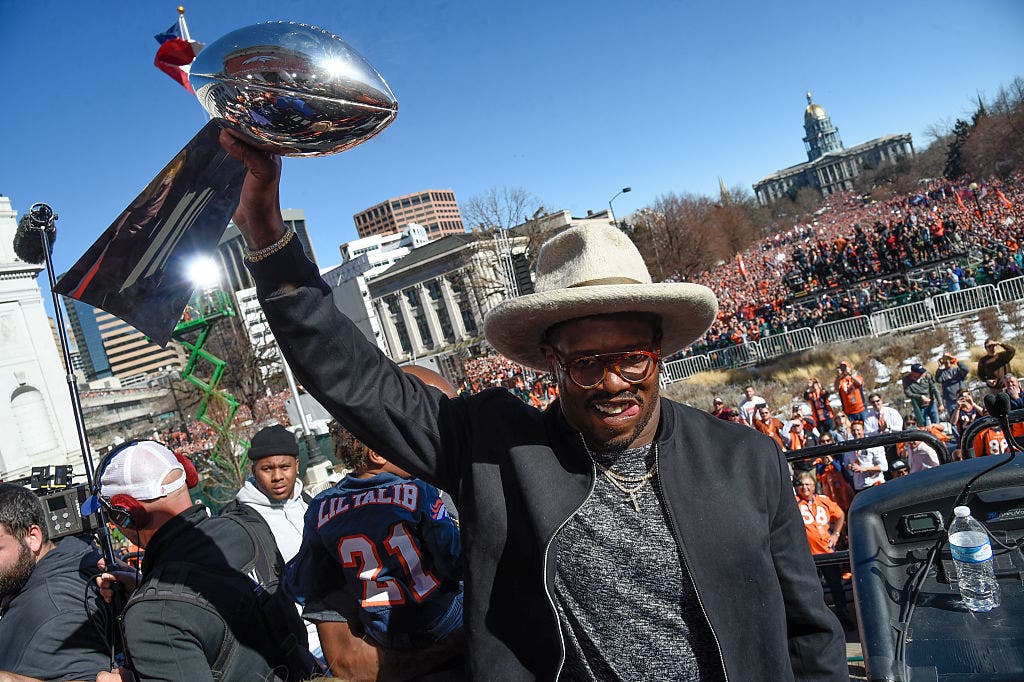
Super Bowl 50 MVP Von Miller holds up the Lombardi Trophy during the Broncos’ victory celebration in February 2016. (Photo By John Leyba/The Denver Post via Getty Images)
The 1990 Giants featured arguably the best defensive player of all time in Hall of Fame outside linebacker Lawrence Taylor, along with Pro Bowlers in nose tackle Erik Howard and inside linebacker Pepper Johnson. New York led the NFL in scoring defense (13.2 points allowed per game) and held opponents to 10 or fewer points in nine of its 19 games (regular season and playoffs).
The Giants edged the Bills 20-19 in Super Bowl XXV.
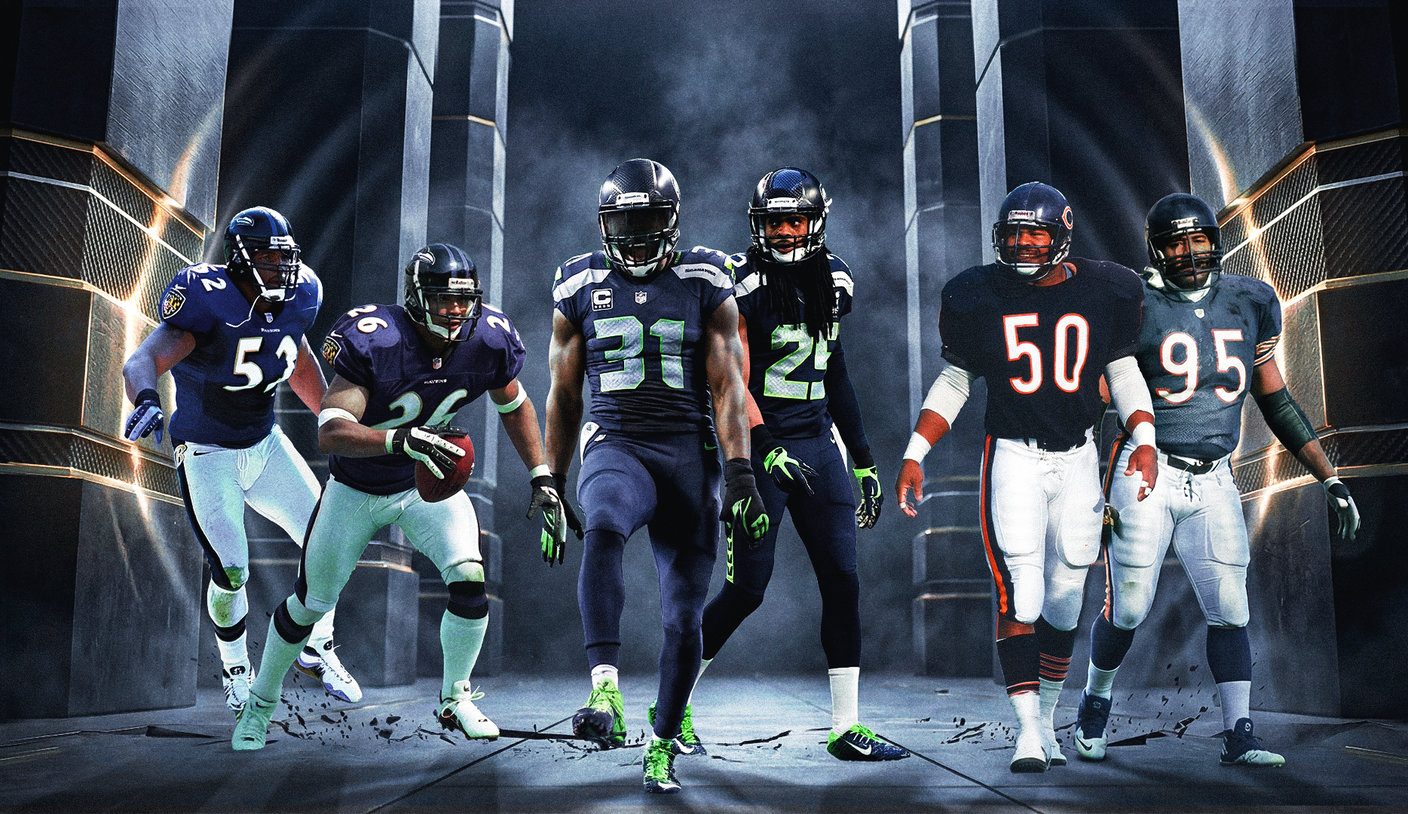
The 2013 Seahawks boasted one of the best secondaries of the modern era, the iconic “Legion of Boom” featuring Richard Sherman, Earl Thomas and Kam Chancellor. But the defensive front was elite, too, with one of the best middle linebackers of the modern era in Bobby Wagner — currently with the Commanders — plus standout defensive linemen Michael Bennett and Cliff Avril.
Seattle led the league in scoring defense (the second of four straight years), total defense, pass defense, takeaways and red-zone efficiency. The Legion of Boom held the Peyton Manning-led 2013 Broncos, the league’s top offense that season, to one touchdown in a 43-8 Seattle rout in Super XLVIII.
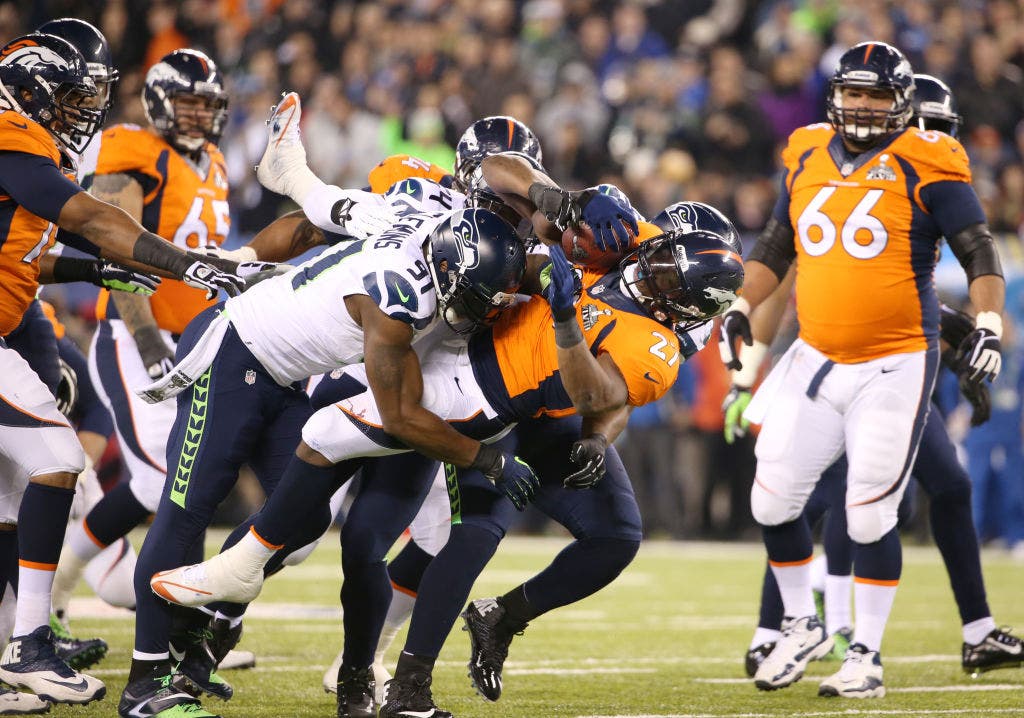
The 2013 Seahawks lowered the boom on the Broncos in Super Bowl XLVIII. (Photo by Tom Hauck/Getty Images)
Of all the “Steel Curtain” defenses of the 1970s, this group may have been the best to play in the Super Bowl. The ’75 Steelers allowed just 11.6 points per game, which ranked second in the league that season, helping the franchise to a Super Bowl X victory over the Cowboys.
Pittsburgh’s 1975 defense had Hall of Famers on every level — defensive tackle Joe Greene, linebackers Jack Ham and Jack Lambert and defensive back Mel Blount. Eight of the 11 starters were Pro Bowlers that season.
The 2002 Bucs defense is one of the most iconic units of all time. Its foundation was set by former head coach Tony Dungy, who led the team from 1996-2001 and popularized the “Tampa 2” defense.
This Bucs team featured four Hall of Fame defenders in cornerback Ronde Barber, defensive tackle Warren Sapp, linebacker Derrick Brooks and safety John Lynch, who’s now the general manager of the 49ers. Former Pro Bowl pass rusher Simeon Rice also made his lone All-Pro team with the Bucs in 2002.
Tampa Bay’s defense led the NFL in points allowed, red-zone efficiency and yards allowed, helping the franchise to a 48-21 Super Bowl XXXVII win over the Raiders.
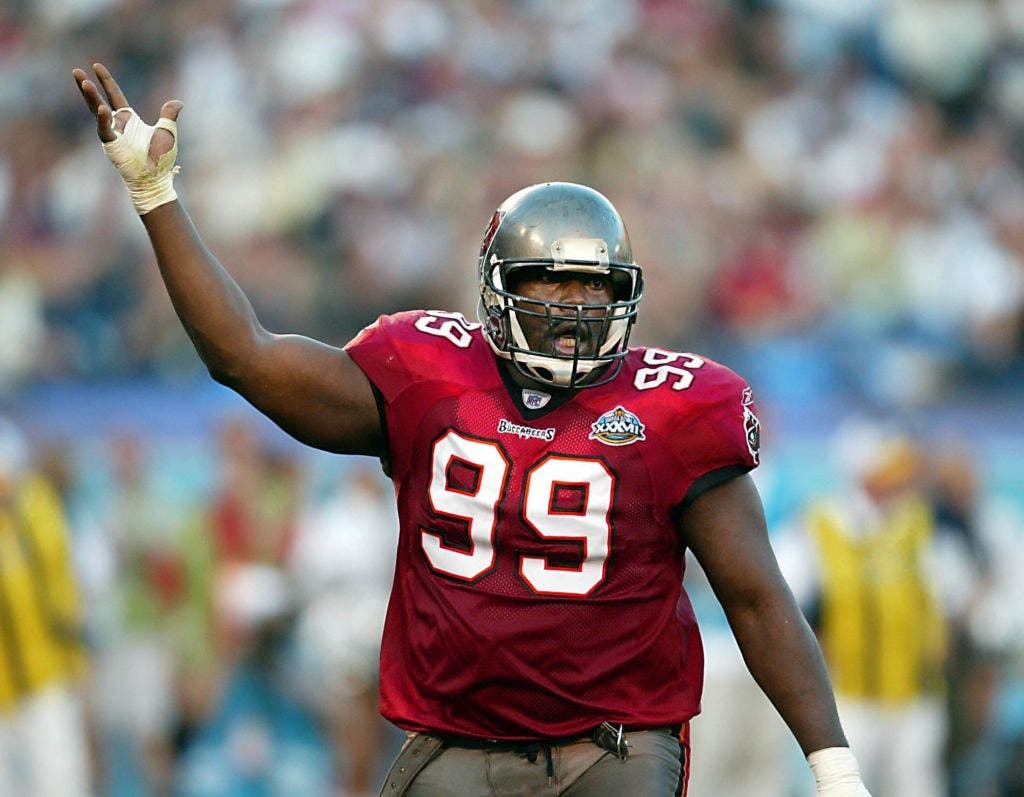
Buccaneers defensive tackle Warren Sapp celebrates a tackle against the Raiders during Super Bowl XXXVII in January 2003. (Timothy A. Clary/AFP via Getty Images)
The ’71 Cowboys defense posted one of the best-ever Super Bowl performances, holding the Dolphins to just three points in a 21-point beatdown in Super Bowl VI. Just one other team in Super Bowl history (1966-present), the 2018 Patriots, has held its opponent to three points.
In 1971, Dallas led the NFL with 51 takeaways. The unit had five Hall of Famers: defensive lineman Bob Lilly, linebacker Chuck Howley, and defensive backs Herb Adderley, Mel Renfro and Cliff Harris.
The team with the only perfect season in NFL history not surprisingly had one of the best defenses ever. The ’72 Dolphins led the league in scoring defense (12.2 points per game) and didn’t allow an offensive touchdown in their 14-7 Super Bowl VII win over Washington.
Linebacker Nick Buoniconti is the only Hall of Fame defender from the team, but he had three other Pro Bowlers alongside him: defensive end Bill Stanfill and safeties Dick Anderson and Jake Scott.
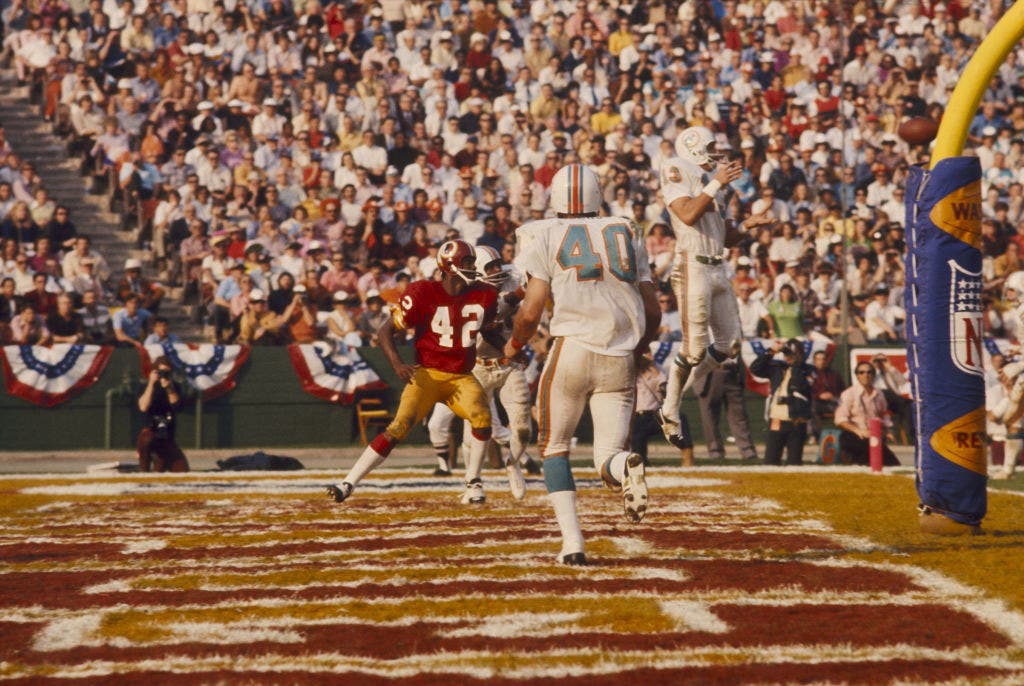
Dolphins safety Jake Scott (13) intercepts a pass in the end zone against Washington in Super Bowl VII. (George Long/Sports Illustrated via Getty Images)
The 2000 Ravens have a case for the best defense ever. They led the league in points allowed (10.3), run defense (60.6 yards allowed per game) and takeaways (49). Hall of Fame linebacker Ray Lewis was the heart of the unit, but it also had a Hall of Famer in the back end in safety Rod Woodson, plus Pro Bowl defensive tackle Sam Adams.
In four playoff games, Baltimore allowed just one offensive touchdown, which came in the divisional round at Tennessee. The Ravens clobbered the Giants 34-7 in Super Bowl XXXV.
The ’85 Bears are widely recognized as having the most feared defense in NFL history. They had four Hall of Famers — linebacker Mike Singletary, defensive tackle Steve McMichael and defensive ends Dan Hampton and Richard Dent — leading their famous “46” defense, an aggressive scheme that overwhelmed opposing offensive lines.
The Bears allowed zero points in the NFC divisional round and conference championship games combined, and then held the Patriots to one touchdown in a 46-10 Super Bowl XX rout.